The Decoded Team™
Making behaviour visible
so teams can finally work together.
Most teams don't have a performance problem. They have a perception problem.
Everyone is communicating. Nobody is being understood.
No obligation. Just a conversation about what's actually happening in your team.
Does any of this
sound familiar?
"We've reorganised but we still don't feel like one team."
"Our meetings achieve very little - the same conversations keep happening."
"People misunderstand each other and nobody can explain why."
"Communication breaks down under pressure, every time."
"We have talented people who aren't collaborating effectively."
"We avoid the difficult conversations that actually matter."
"Our engagement survey flagged real problems - we don't know where to start."
"There's friction in the team but nobody can name what it is."
If you recognise two or more of these - this is the room your team needs to be in.
The shift that changes
everything
Most team problems are not capability problems. They are behavioural problems.
People misread intentions. Different communication styles create friction nobody can name. Assumptions fill the space where honest conversation should be. Behaviour becomes personal — when it was never personal in the first place.
The result is reduced trust, declining collaboration, and the quiet disengagement that engagement surveys capture — but can't fix.
People cannot adapt behaviours they cannot see. The Decoded Team™ makes them visible.
After this experience, teams don't just understand each other better. They stop being surprised by each other. That is a different thing entirely.
The Behaviour Discovery Method™
A methodology built for real
commercial teams
The Decoded Team™ is not a DiSC training course. It is not a personality test. It is not a slide presentation about communication styles. It is a structured behavioural experience — built on behavioural science, delivered through movement, symbolism and guided discovery — that uses the DiSC framework as a shared language, not a label.
Observe
Make behaviour visible through physical movement, visualisation, symbolism and behavioural metaphor. Participants experience behavioural differences before they discuss them.
Recognise
Discover your own behavioural preferences and begin to recognise the preferences of others — without labels, without judgement, without being put in a box.
Reframe
Replace assumptions about why people behave the way they do with a shared, neutral behavioural language. Intention becomes observable. Friction becomes understandable.
Adapt
Explore how different behavioural preferences affect communication, decision-making, meetings, feedback, and collaboration — and what adaptation looks like in practice.
Design
Create practical agreements for how the team wants to work together — built by the team, not handed to them. Specific, behavioural, and owned.
Commit
Leave with individual and collective behavioural commitments. Not a promise to improve. A specific, shared agreement about what changes on Monday.
Learning happens through discovery, not instruction. Participants don't sit and listen. They move, reflect, discuss, and build.
WHAT MAKES THIS DIFFERENT
What makes this
different
Learning happens through discovery, not instruction. Participants don't sit and listen. They move, reflect, discuss, and build.
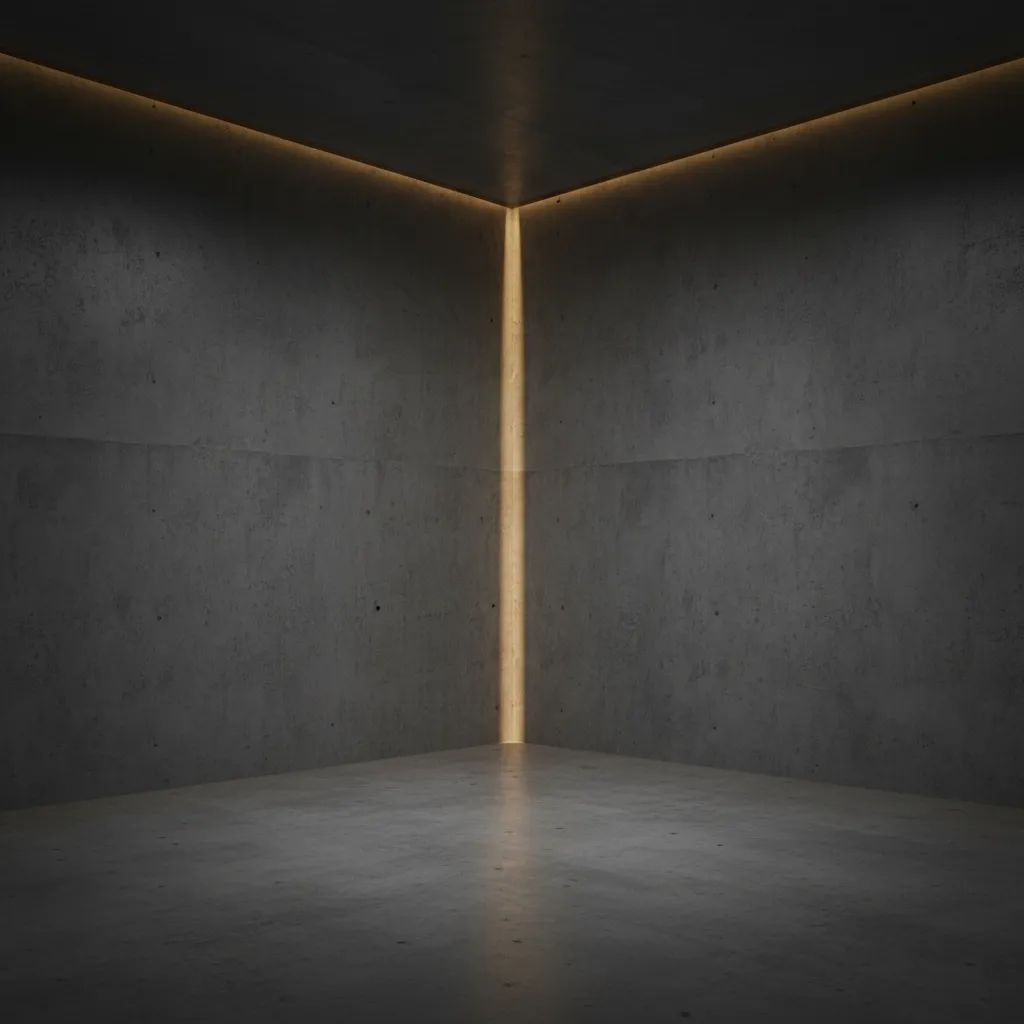
The Room Walk
Participants physically move to behavioural corners — each anchored by visual symbols, metaphors and video — before any discussion begins. The session builds upon particpation, movement & input
The Diagonal Rotation
Teams work with the corner that represents the style they find most challenging to work with — and are tasked to write what they experience from that position. This single mechanic creates more honest conversation than most full-day workshops.
The Mirror Moment
The point in every session where the room changes. Where colleagues see each other through a new lens— often for the first time — not as difficult, but as different. This moment is the foundation everything else is built on.
The Team Agreement
Every session ends with a co-created team operating agreement. Not a flipchart exercise. A structured, facilitated design process that produces specific, behavioural commitments the team builds and owns.
Four formats. One
method.
Designed around what your team actually needs. Every format includes a pre-session discovery conversation, full facilitation, and a post-session summary. The experience scales — the method stays consistent.
60–90 MINUTES
Behaviour Discovery Introduction
Best for: Leadership teams, away-day inserts, introductory taster sessions.
- Behaviour Room Walk
- DiSC style overview
- Shared language introduction
- One team insight to act on immediately
2.5–4 HOURS
Behaviour Discovery Workshop
Best for: Existing teams in transition, post-reorg, communication or trust challenges.
- Full Room Walk
- Positive and challenge reflection
- The Diagonal Rotation
- Team operating agreement
FULL DAY
Behaviour Deep Dive
Best for: Teams ready for deeper work. Includes individual DiSC profiles and debrief.
- Everything from workshop
- Individual profile debrief
- Communication and feedback exercises
- Full team charter
TWO DAYS
Behaviour Immersion
Best for: Teams in significant change, conflict, or organisational transformation.
- Everything from deep dive
- Deeper behavioural exploration
- Leadership behavioural coaching
- Full action planning
Not sure which format fits? That's what the discovery conversation is for.
Built for real teams in real
situations
PRIMARY BUYERS
Team Managers : Senior Leaders : HR & People Partners : Organisational Development : Learning & Development : Business Owners
INDUSTRIES
Automotive : FMCG : Financial Services : Professional Services : Manufacturing : Technology : Any sector where team performance has a commercial cost.
TEAM SITUATIONS
Post-reorganisation : New leadership : Integrating external consultants : Communication breakdown : Low trust : Disappointing engagement results : Teams that work individually but not collectively.
TEAM SIZE
Minimum 6, maximum 80. Optimal experience: 10-25 participants.
This workshop is not for every team
The Decoded Team™ is not a conflict mediation service. It is not designed for teams in formal dispute or where significant interpersonal breakdown requires professional intervention.
It is designed for teams willing to reflect, participate, and improve together. The one prerequisite is genuine openness - from leadership downward.
The philosophy behind the
method
01
DiSC is the language, not the product
DiSC provides a safe, neutral vocabulary for discussing behavioural preferences without making the conversation personal. It is the framework: not the experience. The experience is The Decoded Team™.
02
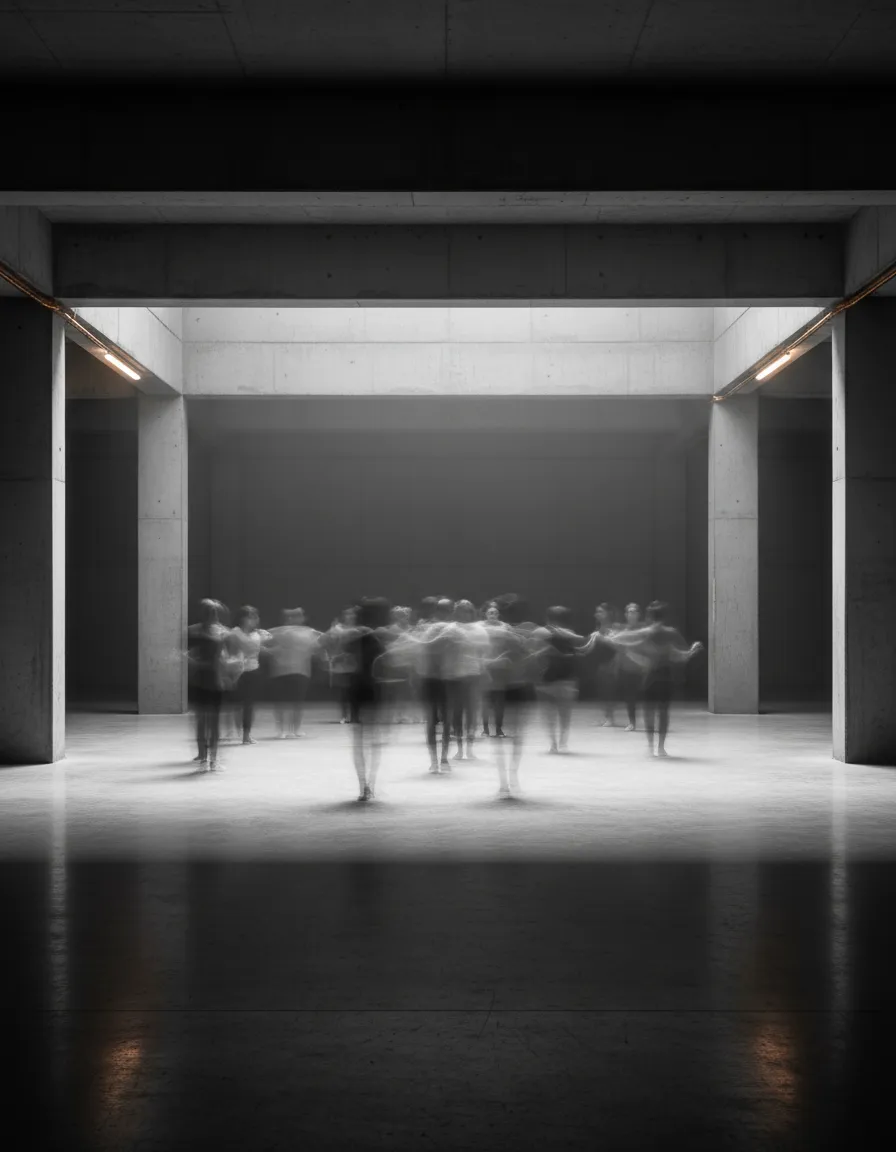
Physical before intellectual
Participants experience behavioural differences through movement before they discuss them. This is not a training convention: it is a deliberate design choice. The body encodes learning; the mind tends to forget.
03
Built on a decade of commercial evidence
The original concept was developed by me inside Automotive Retail & tried and tested through Volvo Cars and has been refined and iterated across Automotive Sales & Service, FMCG, Commercial Sales and L&D environments over a decade. It has worked in rooms of 10 and rooms of 80. The method holds at scale.

What changes after the
room
PARTICIPANTS FEEL
- Understood
- Respected
- Heard
- More confident
- More curious about colleagues
- Less defensive
- Connected to the team
- Optimistic about what's possible
TEAMS GAIN
- A shared behavioural language
- Practical team operating agreements
- Healthier communication
- Stronger psychological safety
- Better meetings
- Improved feedback culture
- Greater trust
ORGANISATIONS BENEFIT FROM
- Stronger collaboration
- Clearer behavioural expectations
- Reduced friction
- Higher engagement
- Improved working relationships
- Teams that function - not just perform
Clarification and
Questions
Do participants need to complete a DiSC assessment first?
Not for the introductory or standard workshop formats. The Room Walk and Behaviour Discovery Method™ work without pre-completed profiles. For the Deep Dive and Immersion formats, individual DiSC profiles are included and debriefed as part of the experience.
We've done personality profiling before. How is this different?
Most profiling tools give people a report. The Decoded Team™ gives people an experience. The difference is what actually changes behaviour — not reading a description of yourself, but physically standing in someone else's operating system and feeling the difference.
How many people can participate?
The method works from 6 to 80 participants. The optimal experience is 10–25. For larger groups, facilitation is structured to maintain the quality of the discovery process throughout.
Can this be delivered virtually?
The Room Walk is a physical experience by design. However, a tailored virtual format is available for remote or hybrid teams. Contact us to discuss what that looks like for your specific context.
How do we prepare the team?
Minimal preparation is required. A short briefing note is provided for participants in advance. The facilitator handles the rest. The less briefed participants are about what to expect, the more powerful the discovery tends to be.
What happens after the workshop?
A post-session summary is provided, including the team's operating agreement and any commitments made in the room. For deeper engagement, follow-up coaching and review sessions are available.
“The problem was never the style. It was never knowing which room you were designing for.”
THE NEXT STEP
Ready to decode your team?
If your team is capable but not quite clicking: this is the conversation to start.
Not a pitch. Not a proposal. A 30-minute discovery conversation about what's actually happening in your team: and whether The Decoded Team™ is the right intervention.
30 minutes · No obligation · Focused on your team's specific situation
The Decoded Team™
A behavioural team development experience
Developed by Behavioural Science Practitioners
The Behaviour Discovery Method™ is a proprietary facilitation methodology.
DiSC® is a registered trademark of Wiley. The Decoded Team™ uses the Everything DiSC® instrument under licence.
"The problem was never the style.
It was never knowing which room you were designing for."
— The Decoded Team™
© 2026 The Decoded Team™. All rights reserved.